
Romantic Ideals and Ordinary Reality
Eugene OneginThis thread examines how romantic books and poetic conventions shape the characters’ hopes, then meet the resistance of lived reality.
increasing Bearing strength in each event
 decreasing
Bearing strength in each eventdecreasingA Reader’s Inherited Plots
A Reader’s Inherited Plots
Romance as education
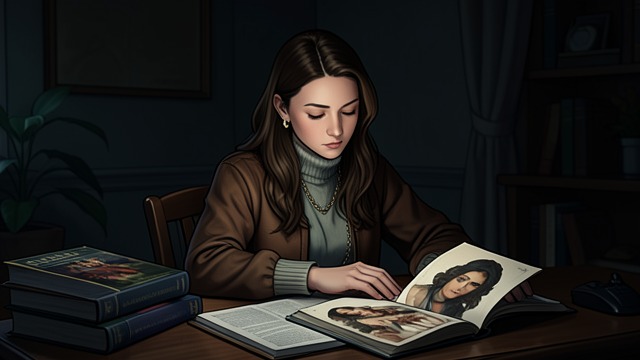
Tattiana reads novels that teach her to recognize love through established characters and dramatic situations. Fiction offers emotional language where her daily life offers few models.
Her reading fosters sympathy and imagination.
A risk of mistaken likeness
When Eugene arrives, she places him inside the plots she knows. The act gives meaning to her longing but can obscure his particular character.
The poem presents reading as both a source of insight and a filter that can distort reality.
Eugene as Hero
Eugene as Hero
Imagination selects a figure
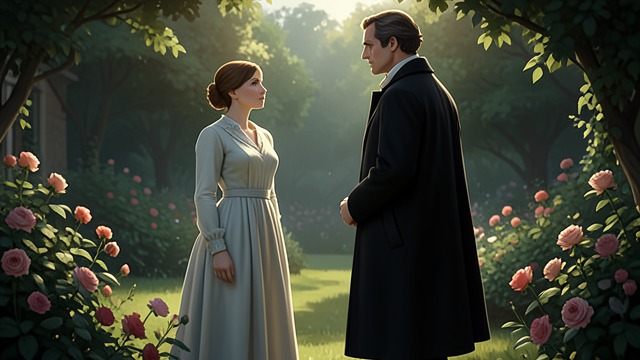
Tattiana’s reading leads her to imagine Eugene as the person her life has awaited. His arrival seems to confirm a story already forming within her.
The emotion is powerful because it joins observation to fantasy.
The man behind the image
Eugene’s actual response is more restrained and self-protective than her romantic expectations suggest.
The gap between imagined hero and living man becomes visible when he refuses her confession.
A Young Poet’s Ideal
A Young Poet’s Ideal
Life shaped as verse
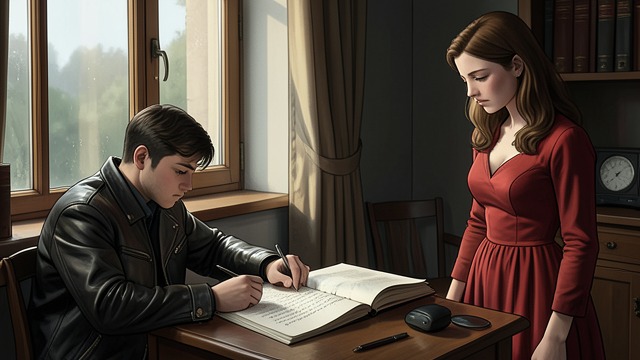
Lensky treats Olga as the enduring object of a poetic devotion that began in childhood. His writing gives their ordinary courtship a heightened, almost fated significance.
His sincerity is one of his strengths.
Vulnerability to disillusion
Because Lensky sees love through an ideal, Eugene’s flirtation with Olga appears more decisive than it may be to her.
The poem shows how romantic intensity can enrich feeling while making a person less able to interpret ambiguity.
The Library’s Counterimage
The Library’s Counterimage
Literature examined
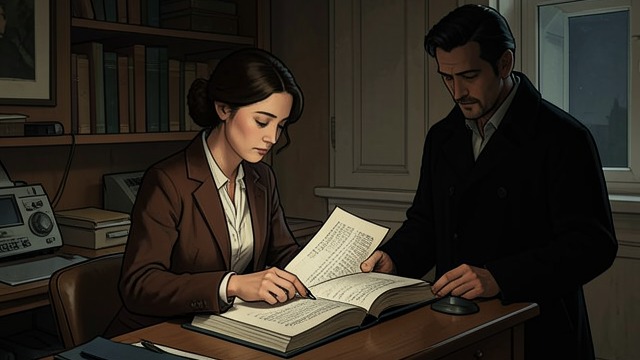
Tattiana reads Eugene’s books and notices the passages he marked. She considers whether his identity has been shaped by familiar romantic types.
Her earlier admiration becomes an effort to interpret rather than simply imagine.
Beyond the borrowed pose
The discovery does not settle who Eugene is. Instead, it makes Tattiana more alert to the difference between literary convention and a person’s choices.
The poem’s satire of romantic imitation works through her developing judgment.
Romance Meets Consequence
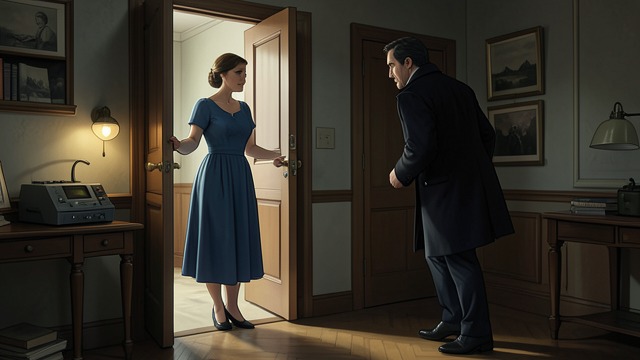
Romance Meets Consequence
A familiar plot reversed
Eugene now performs the part of the lover who writes and waits. Yet his pursuit does not produce the reunion or reward that romance might promise.
Tattiana’s marriage and agency interrupt the expected ending.
Reality remains binding
The poem does not mock love itself; it questions the assumption that intense feeling automatically grants a right to fulfillment.
The lovers’ history turns romantic convention into a test of ethical choice and timing.
during Tattiana’s adolescence
after Eugene’s first visit to the Larin household
during Lensky’s courtship of Olga
after Tattiana visits Eugene’s abandoned home
at the final meeting between Eugene and Tattiana
